
History · 21 August 2026
The farm that helped cancel the third world's debt
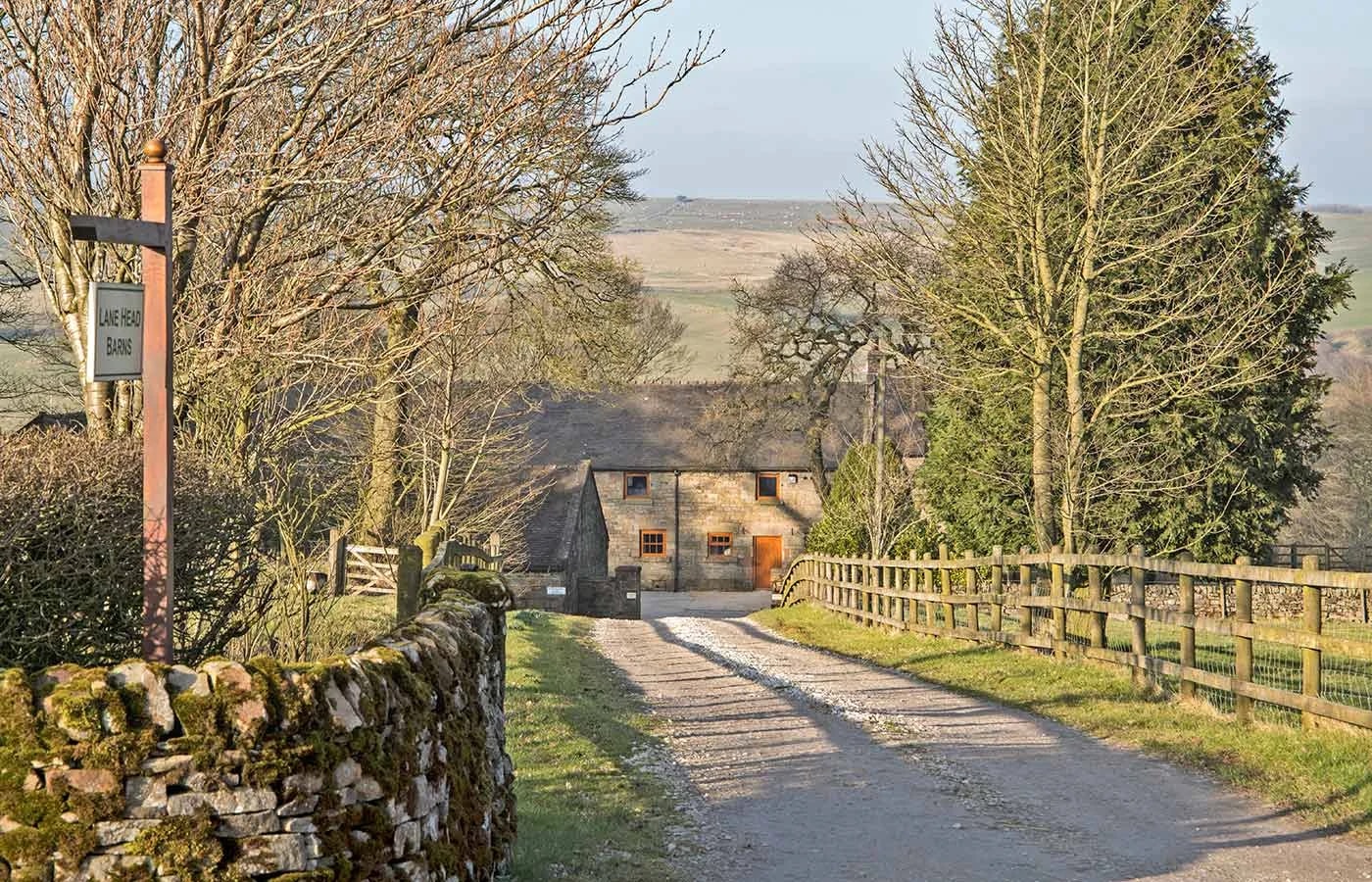
Neither Morridge View nor Mixon View existed yet. In the 1970s and '80s, the shippon that's now Morridge View was still a working cattle shed, and the farm around it was worked by a man with an unusual second life: Dr Martin Dent, a lecturer in politics at Keele University, who farmed Lane Head from 1970 to 1987.
Away from the farm, Dent had spent years working in Nigeria, and had become preoccupied with a specific injustice: the way debt repayments were crushing some of the world's poorest countries, swallowing budgets that could otherwise have gone to healthcare and schools. In the 1990s he turned that conviction into a campaign — Jubilee 2000 — calling on the world's richest nations to cancel the unpayable debts owed by the poorest.
What Jubilee 2000 achieved
The campaign grew into one of the largest international petitions in history, gathering over 24 million signatures. It's widely credited with pushing the G8 and the World Bank toward the debt relief agreements of the late 1990s and early 2000s, which cancelled billions of dollars owed by some of the world's poorest countries.
Dent was later awarded an OBE for that work — recognition for a campaign with roots partly traceable back to a hill farm above Onecote, in the years before it became the barns and the fields you can see from ours today.
He wasn't the only person to farm Lane Head, of course. The land has been worked continuously since long before him and long after — by the Swindells family from 1947, the Cappers through the 1950s, the Clowes family from 1987, and Paul and Kate from 2015, who converted the old shippon into the barn now called Morridge View. But his is the story that surprised us most when we first heard it, and it felt like one worth telling properly rather than squeezing into a single line on our history page.